About Us
A research lab inside a clinical program
The Lab studies and teaches adult neurocranial reconstruction. It works within the Neuroplastic & Reconstructive Surgery Program of the Department of Neurosurgery at Lenox Hill Hospital, Northwell Health, in New York.

What we study
Our scope is the reconstruction of the scalp, skull, and dura in adults: cranioplasty after craniectomy, reconstruction during and after surgery for cranial and skull base tumors, and the consequences of trauma, infection, radiation, and repeated operations.
We also study how implants and devices are integrated into the skull, including customized and sonolucent implants, and how outcomes after reconstruction are measured and reported. Clinical problems become research questions; the answers return as techniques, publications, and teaching.
Mission
To improve the care of adults who need cranial reconstruction by studying how the scalp, skull, and dura are best planned and rebuilt together, and by sharing what we learn through publication and teaching.
Vision
Reconstruction considered from the first operation, judged by outcomes that matter to patients, and taught as part of neurosurgery.
Principles
- Patient-centered careProtection of the brain, function, appearance, and quality of life are weighed together, with the patient.
- Multidisciplinary planningNeurosurgery, plastic surgery, radiation oncology, and other teams decide on one plan before the first incision.
- Anatomical precisionBlood supply, tissue planes, and scar position are treated as part of the operation, not as closure.
- Prevention of complicationsInfection, wound breakdown, and implant loss are anticipated at planning rather than met at salvage.
- Innovation grounded in evidenceNew techniques are reported with denominators, follow-up, and their limitations stated.
- MentorshipFellows and students work under daily supervision and are authors of what they help produce.
- International collaborationStudies are open to colleagues and students wherever they train.
People
Leadership
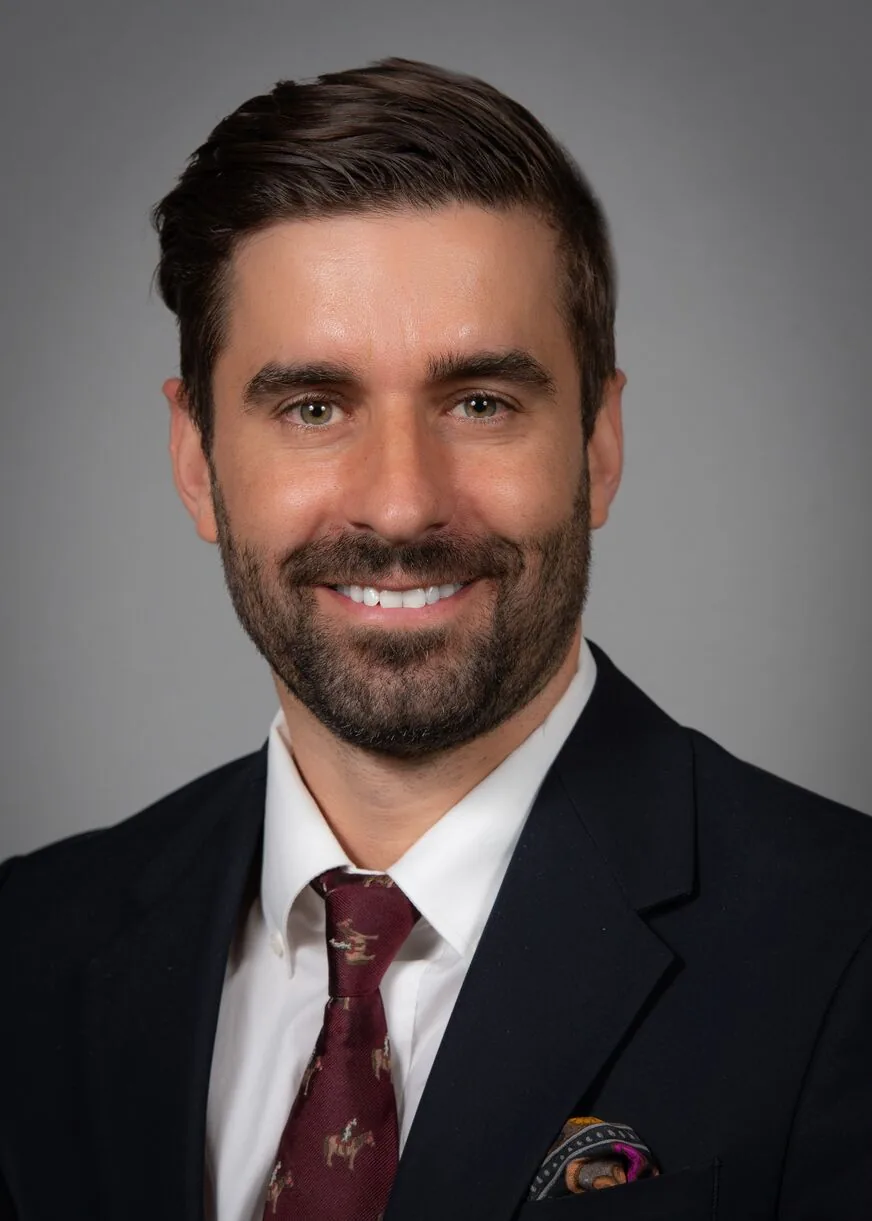
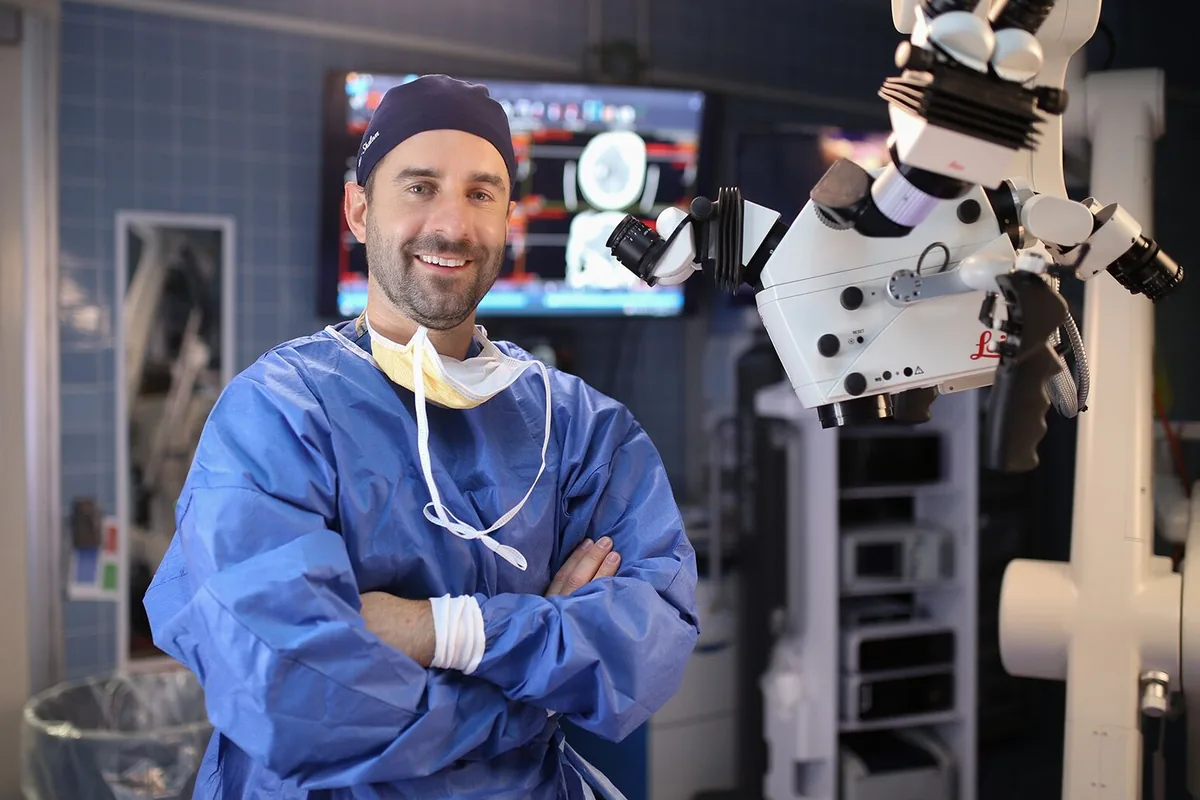
Netanel Ben-Shalom, MD, FNPS, FCNS
Program Director and Lab Lead
- Director, Neuroplastic & Reconstructive Surgery Program, Lenox Hill Hospital, Northwell Health
- Assistant Professor of Neurosurgery, Donald and Barbara Zucker School of Medicine at Hofstra/Northwell
- Investigator, Institute of Bioelectronic Medicine, Feinstein Institutes for Medical Research
- Section Editor, Neuroplastic and Reconstructive Surgery, Operative Neurosurgery
- Founding member and Secretary, Society of Neuroplastic Surgery
Dr. Ben-Shalom is a neurosurgeon whose practice joins surgical neuro-oncology and skull base surgery with reconstruction of the scalp, skull, and dura in adults. He earned his medical degree summa cum laude at the University of Debrecen in 2011 and trained in neurosurgery at Rabin Medical Center, Tel Aviv University, where he served as chief resident.
The first neuroplastic neurosurgeon, he came to the field as a research fellow at Johns Hopkins in 2018 and returned for the clinical Neuroplastic and Reconstructive Surgery fellowship in 2021. After further training in surgical neuro-oncology and skull base surgery at Lenox Hill Hospital, he joined its faculty in 2023 and has directed the program since January 2026.
Research fellows
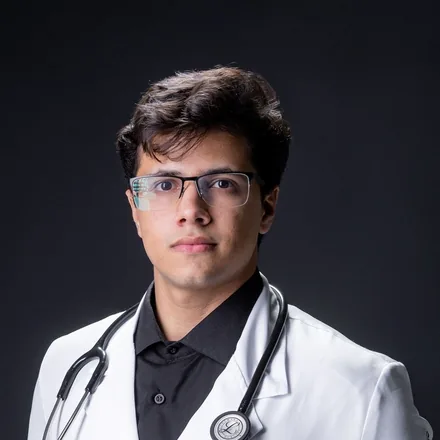
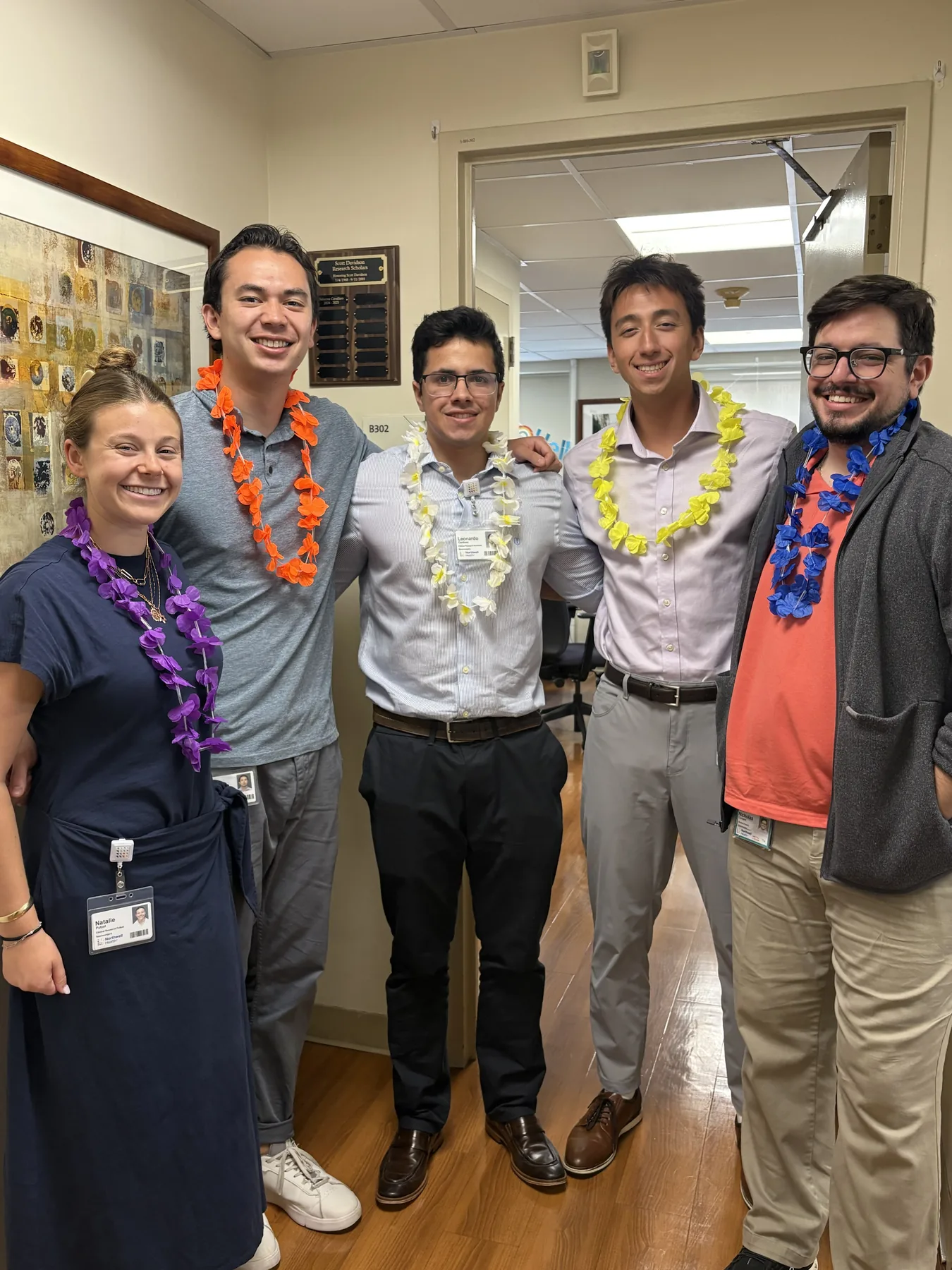
Leonardo Januário Campos Cardoso
Research Fellow, 2026–2027
Medical student at the Federal University of Minas Gerais (UFMG), Brazil. After collaborating remotely with the team in 2025, he paused his medical studies to join the Lab in New York in July 2026.
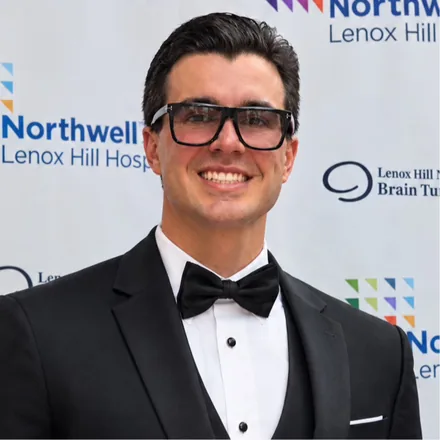
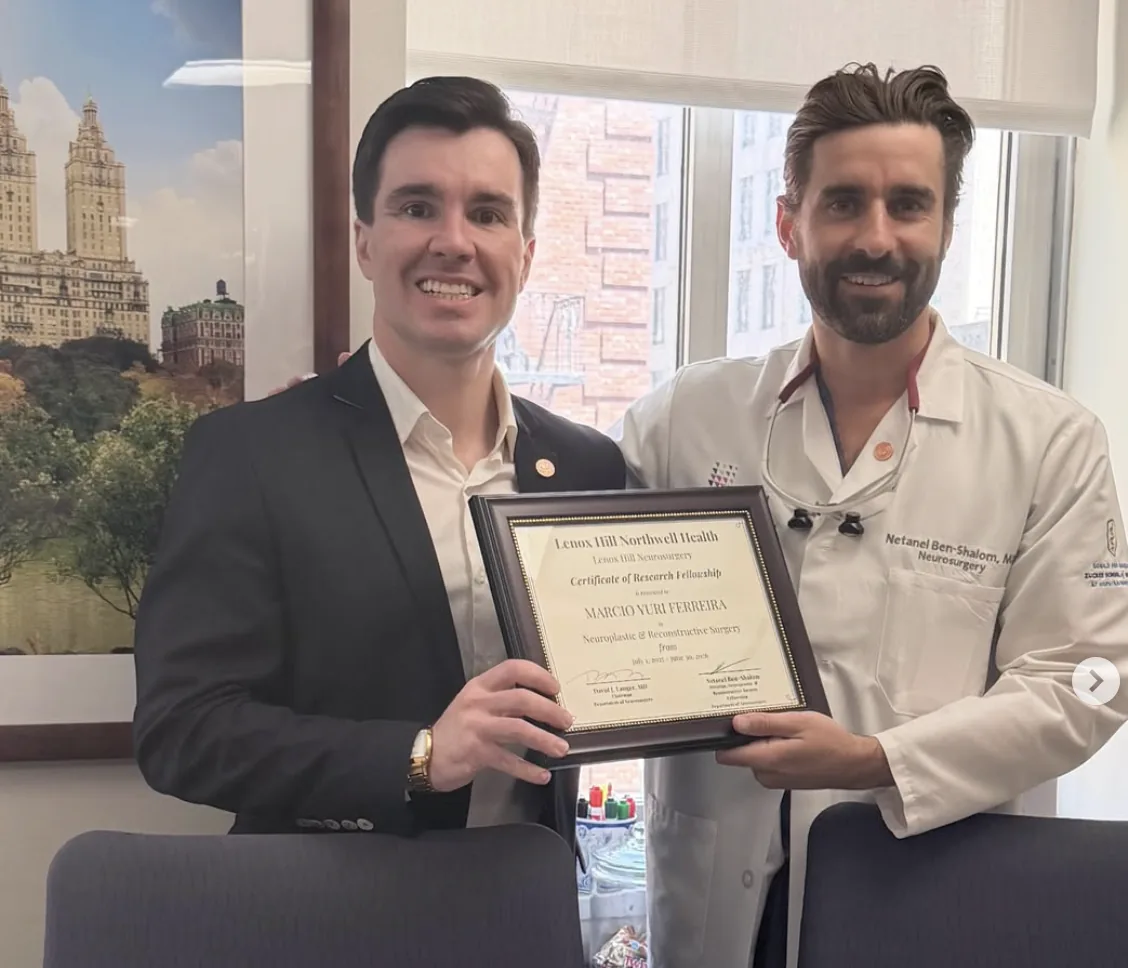
Marcio Yuri Ferreira, MD
Research Fellow, 2025–2026 · Alumnus
The Lab's first Research Fellow. A physician trained in Brazil, he has continued his training in neurosurgery at Mount Sinai in New York and remains a collaborator.
Team and collaborators
People who work with the Lab on its studies, with their own institutions.
Lenox Hill Hospital and Northwell Health
Clinicians, researchers, and research fellows of the Department of Neurosurgery and Northwell who work with the Lab.
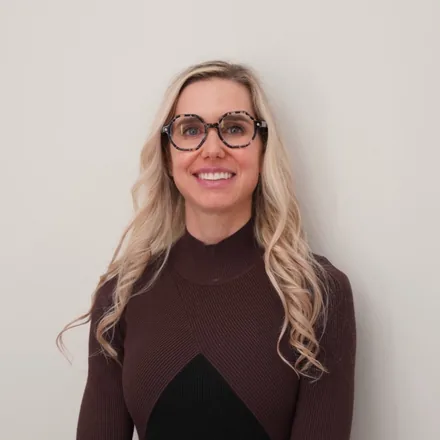 Jennifer Rath, PAPhysician assistant, Department of Neurosurgery, Lenox Hill Hospital
 Elizabeth Lepski, PAPhysician assistant, Department of Neurosurgery, Lenox Hill Hospital
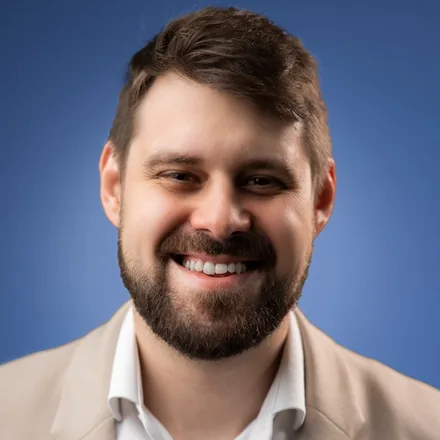 Raphael Bertani, MDDepartment of Neurosurgery, Lenox Hill Hospital
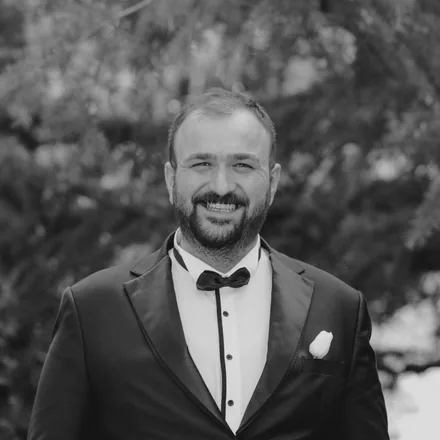 Siyar Bahadir, MD, PhDInstitute of Bioelectronic Medicine, Feinstein Institutes for Medical Research
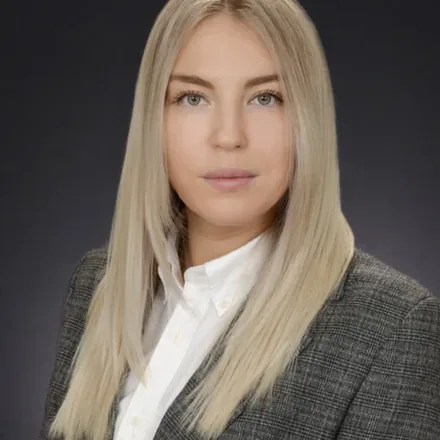 Faina Ablyazova, BSDepartment of Neurosurgery, Lenox Hill Hospital
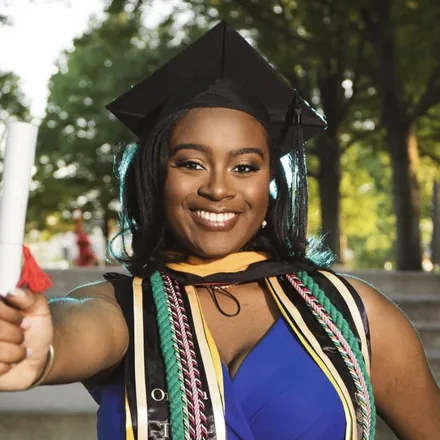 Brianna Suffren, BSDepartment of Neurosurgery, Lenox Hill Hospital
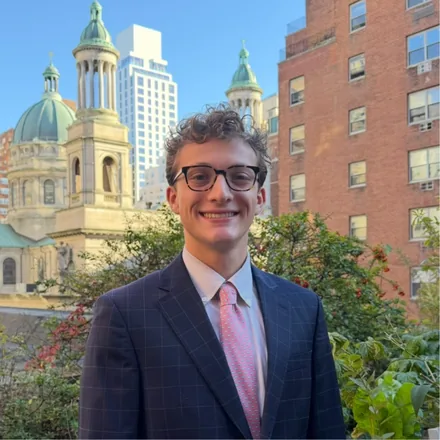 Evan Keister, BSDepartment of Neurosurgery, Lenox Hill Hospital
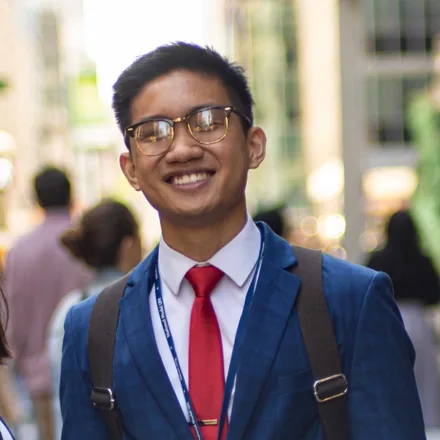 Seth Mejia, BSDepartment of Neurosurgery, Lenox Hill Hospital
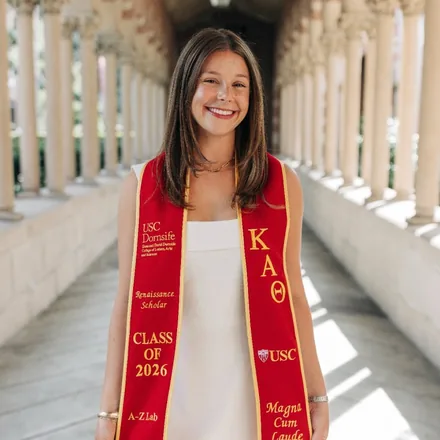 Nathalie Putzel, BSNeurovascular Clinical Research Fellow, Lenox Hill Hospital
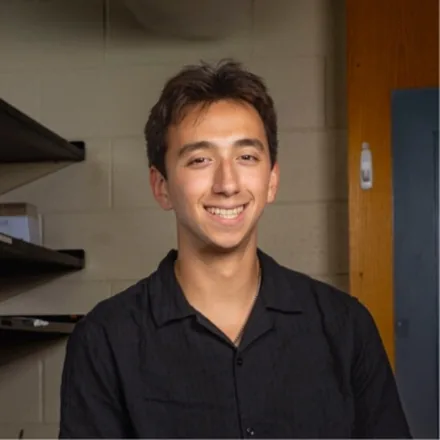 Colin Chen, BSClinical Research Fellow, Lenox Hill Neurosurgery
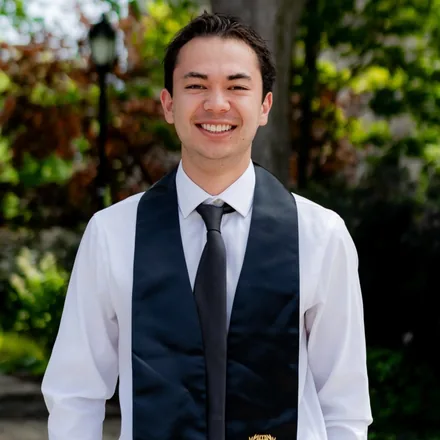 Eric Young, BSClinical Research Fellow, Lenox Hill Neurosurgery
Collaborators at other institutions
Physicians, residents, and students who take part in the Lab's studies from their home institutions.
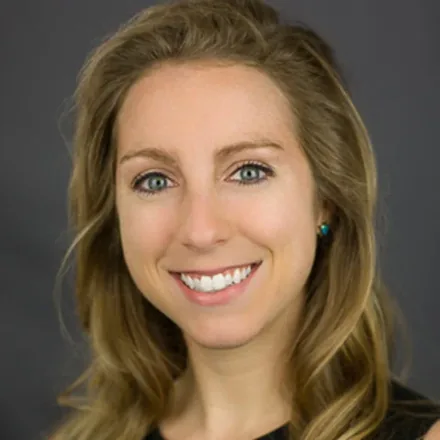 Erin McCormack-Ince, MDDepartment of Neurosurgery, Emory University School of Medicine, Atlanta
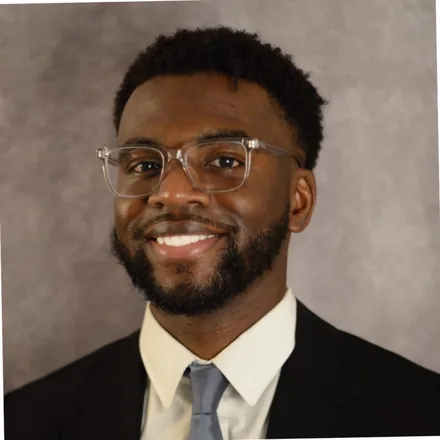 Tobi Somorin, MDPlastic and Reconstructive Surgery resident, University of Pittsburgh
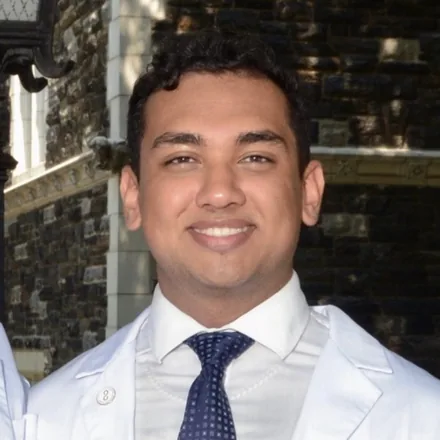 Shayan Huda, MDDepartment of Neurosurgery, Rutgers
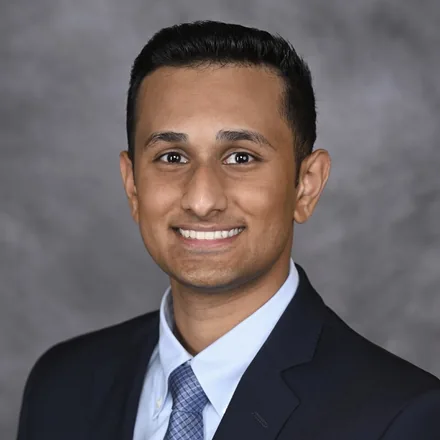 Shoaib Syed, MDNew York Medical College
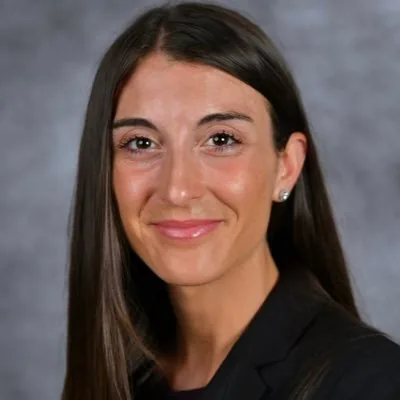 Devon O’Donnell, MDDonald and Barbara Zucker School of Medicine at Hofstra/Northwell
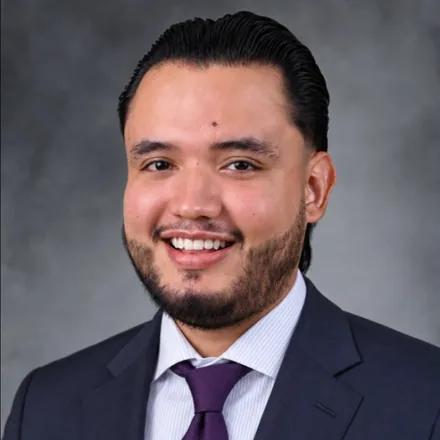 Marlon Tafur, MDTechnological University of Pereira, Colombia
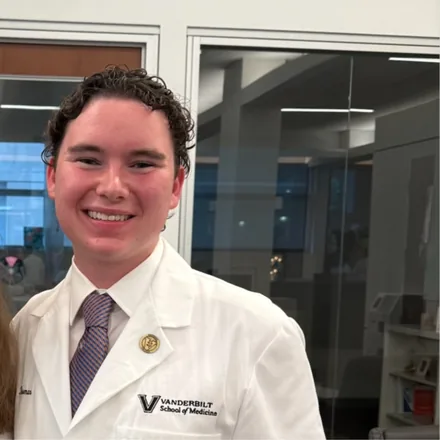 Griffin Thomas, BSVanderbilt University School of Medicine
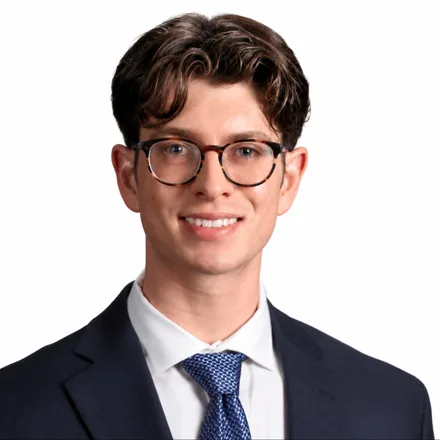 Samuel Latzman, BSNYU Grossman School of Medicine
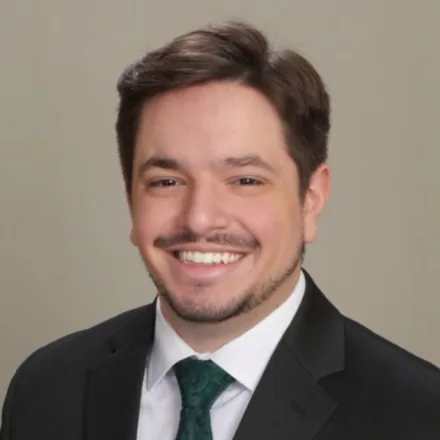 Nicholas Cordeiro, BSCUNY School of Medicine
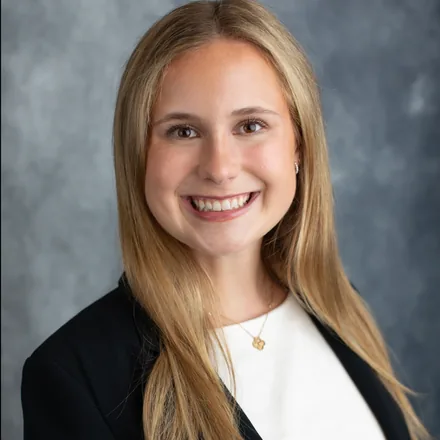 Taylor Verdi, BSWilliam Carey University College of Osteopathic Medicine
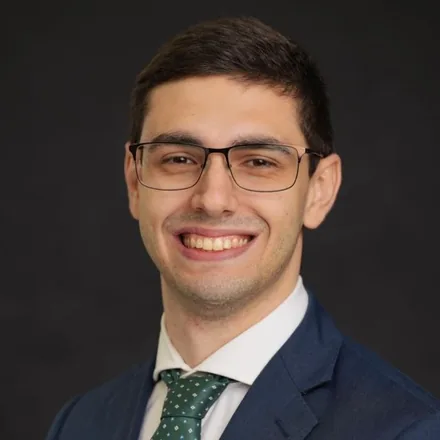 Gustavo de Oliveira AlmeidaMedical student, Federal University of Triângulo Mineiro, Brazil
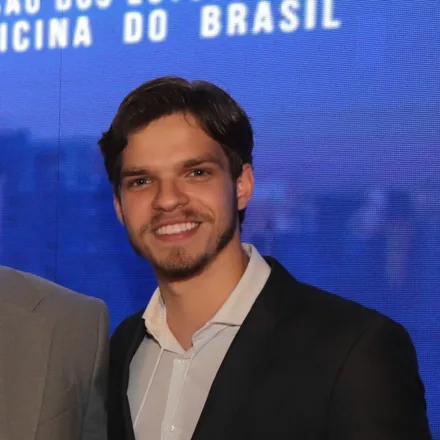 Luis Flávio Fabrini PaleareMedical student, Pontifical Catholic University of Paraná, Brazil
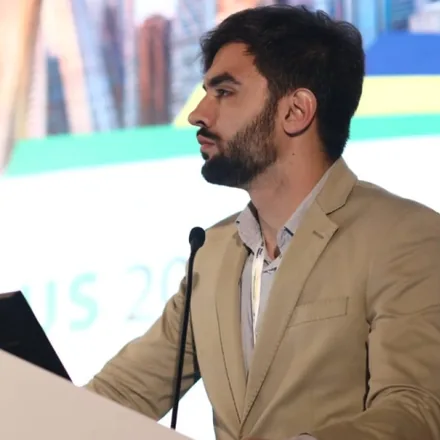 Gabriel SemioneMedical student, University of West of Santa Catarina, Brazil
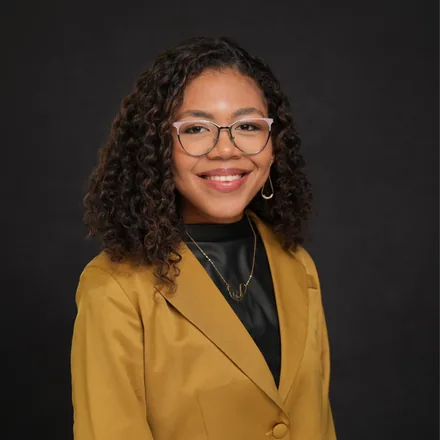 Maria Fernanda P. SantanaMedical student, University Center of Várzea Grande, Brazil
And many more…
Research Fellowship
A year of research beside a clinical service
The fellowship gives a medical student or recent graduate one year of full-time research in the Lab, with daily mentorship and supervision from the program director. Each year has one fellow. The first joined in 2025.
- Research. Clinical outcome studies, case series on techniques and technologies, systematic reviews, and educational projects.
- Scientific writing. Study design, data analysis, manuscripts, peer-review responses, abstracts, and presentations at national meetings.
- Mentorship. Regular academic sessions on manuscripts in progress and on the fellow’s next stage of training.
- Clinical and surgical exposure. Tumor board, grand rounds, outpatient clinic, intensive care rounds, and the operating room, always as a supervised observer.
Open positions are announced on the Home page when a call is active. For other questions, write to the Lab.
Collaboration
Institutions in 14 countries
Coauthors and collaborators of the Lab work at institutions in the United States and 13 other countries.
- United States
- Brazil
- Mexico
- Argentina
- Bolivia
- Peru
- France
- Germany
- Iceland
- Iraq
- Israel
- Turkey
- Russia
- Australia
Countries of the institutions named in author affiliations of the Lab’s publications and of its current collaborators, as of November 2026. A country is listed for an institution, never for an author’s nationality.
History
A brief history of the discipline
Neuroplastic and reconstructive surgery grew out of a practical gap: adults with complex defects of the scalp and skull were often cared for by one specialty at a time, while children with craniofacial conditions had long been treated by teams.1
- Background
Craniofacial surgery sets the precedent
Paul Tessier’s work on orbital and cranial deformities established craniofacial surgery and its team model, centered mainly on pediatric conditions. Adult neurosurgical patients, with repeated operations, radiation, and implants, posed different problems.23
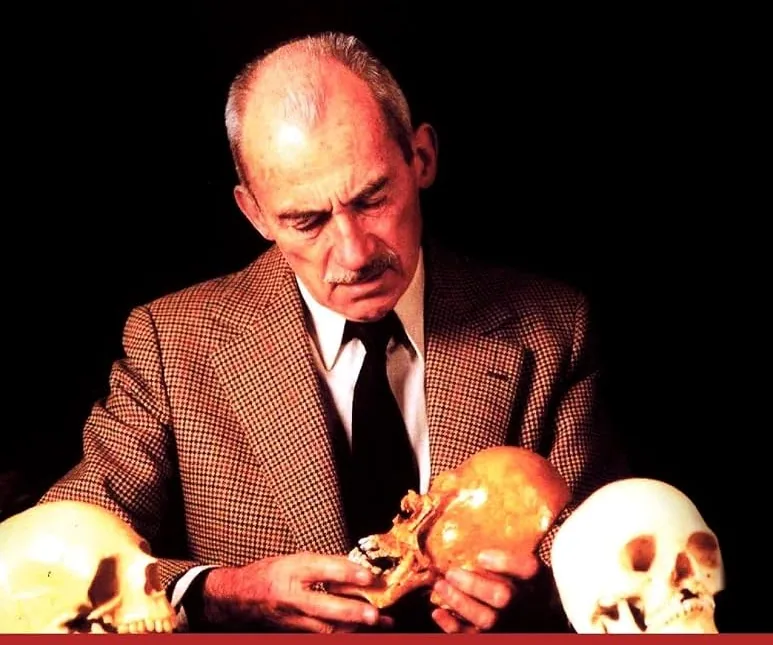
Paul Tessier, from the cover of A Man from Héric, by S. Anthony Wolfe. - 2012
A multidisciplinary cranioplasty center at Johns Hopkins
Chad Gordon and colleagues in plastic surgery and neurosurgery organized the Multidisciplinary Adult Cranioplasty Center to coordinate care for adults needing complex neurocranial reconstruction. Techniques such as pericranial-onlay cranioplasty came from this collaboration.14
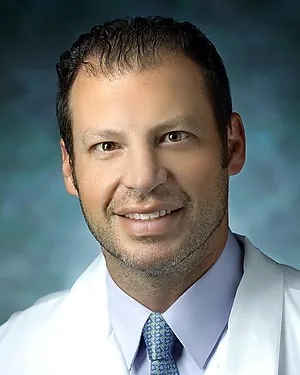
Chad R. Gordon, DO. - 2016
A surgical fellowship is approved
The Johns Hopkins Office for Graduate Medical Education approved a clinical fellowship in Neuroplastic and Reconstructive Surgery, open to surgeons from neurosurgery, plastic surgery, otolaryngology, and oral and maxillofacial surgery, with certificates cosigned by both departments.1
- 2018–2021
The field takes an academic form
An editorial by Gordon, Huang, and Brem named the field in 2018, the year the Society of Neuroplastic Surgery was formed and The Journal of Craniofacial Surgery dedicated an issue to it.15 A second editorial in 2021 argued for neuroplastic surgery as a specialty of its own and described trilaminar reconstruction of scalp, skull, and dura.2

The 2021 editorial in The Journal of Craniofacial Surgery. - 2023
A program at Lenox Hill Hospital
Northwell Health launched the Neuroplastic and Reconstructive Surgery Program at Lenox Hill Hospital, announced as the first in New York State, within a department of neurosurgery. Dr. Ben-Shalom, who trained in the Johns Hopkins fellowship, has directed it since 2026.6
From Northwell Health’s announcement of the program, February 2023. Image: Northwell Health. - 2025
The research fellowship and the Lab
The program’s research fellowship began with its first fellow, giving the Lab continuous research and editorial capacity and opening its studies to collaborators abroad.
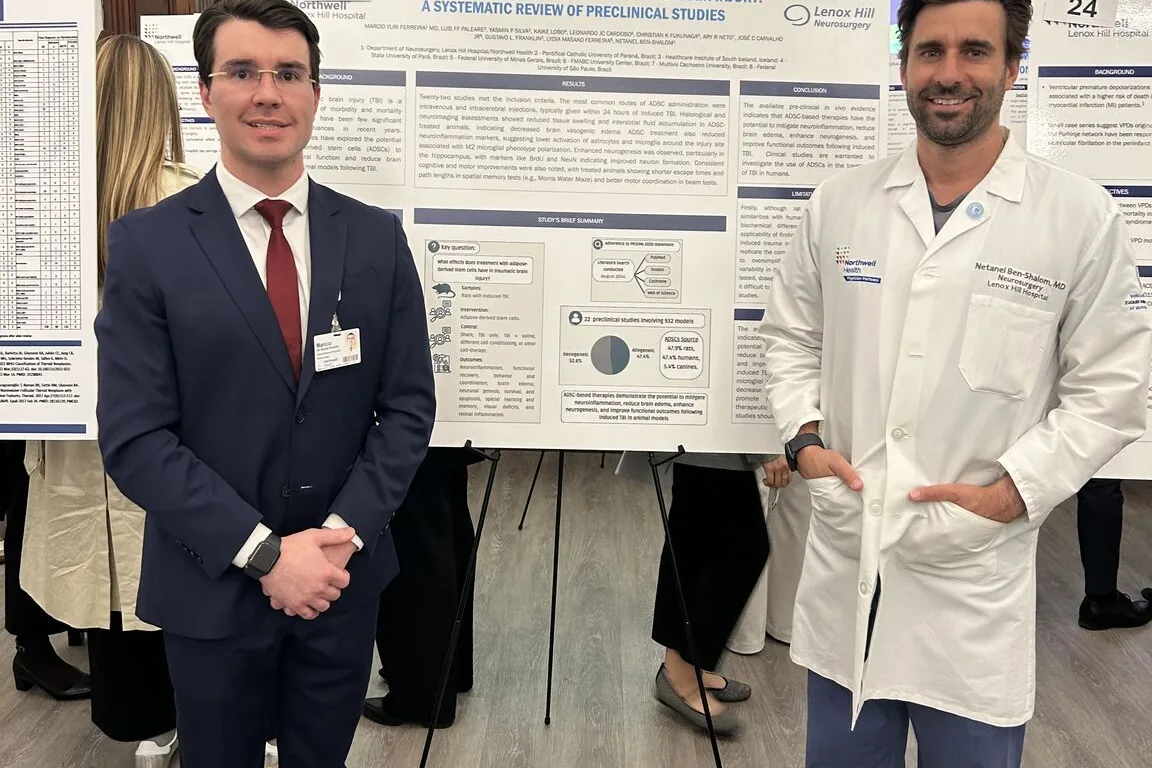
Dr. Marcio Yuri Ferreira and Dr. Ben-Shalom at the Evening of Research poster session, 2025. - 2026
New venues in neurosurgery
Operative Neurosurgery opened a section for the discipline, introduced by an editorial from the program;3 The Journal of Craniofacial Surgery published the Lab’s ten-chapter educational supplement;7 and the Congress of Neurological Surgeons Annual Meeting held a symposium on neuroplastic surgery. Lenox Hill’s contribution to this trajectory is to practice and study the discipline from within neurosurgery, where the first operation is planned.
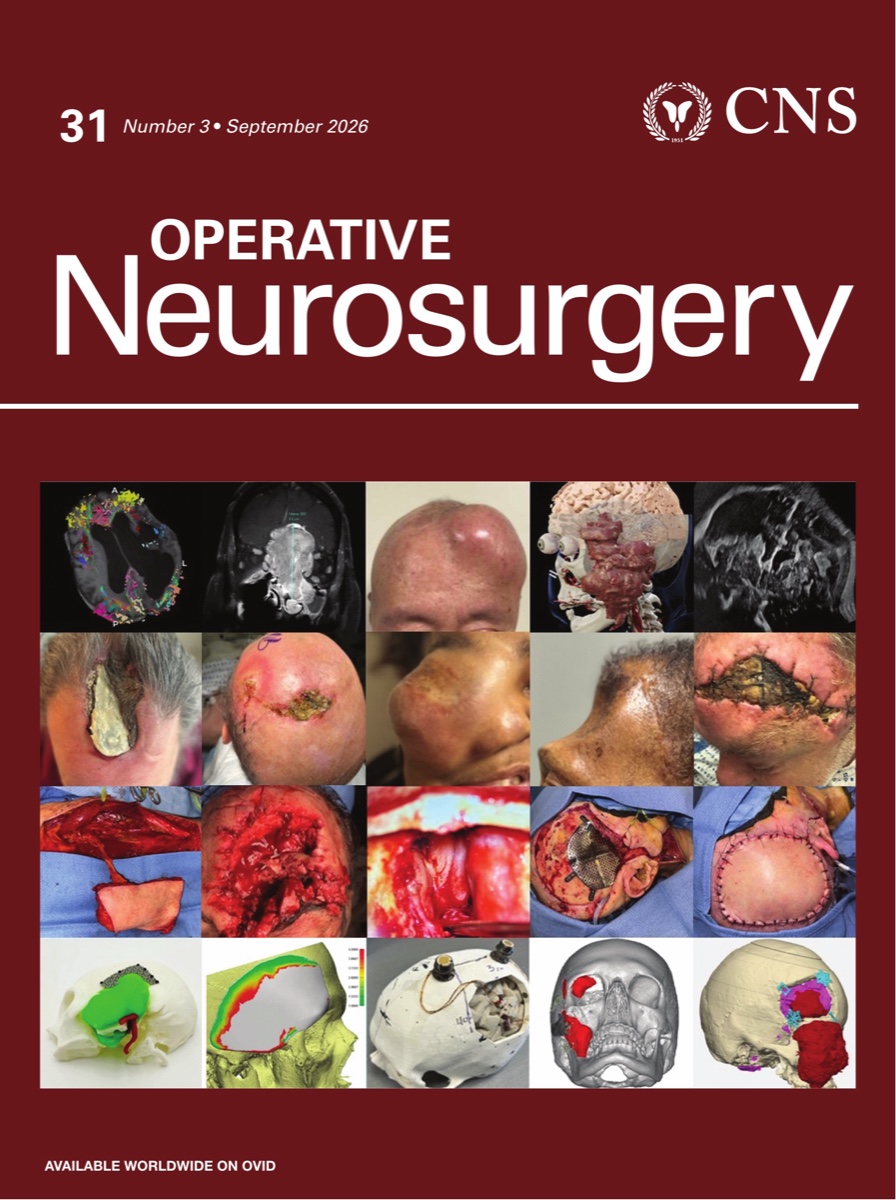
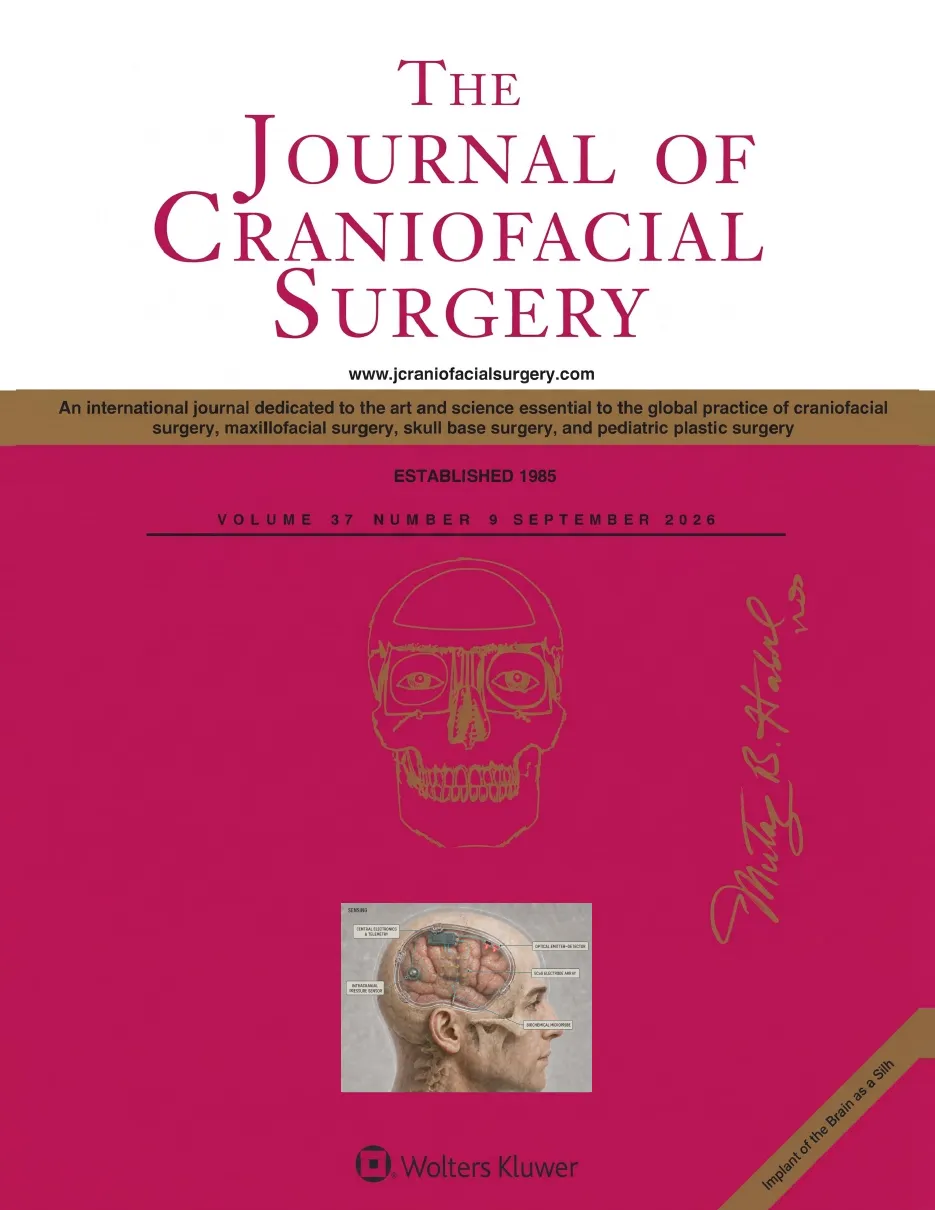
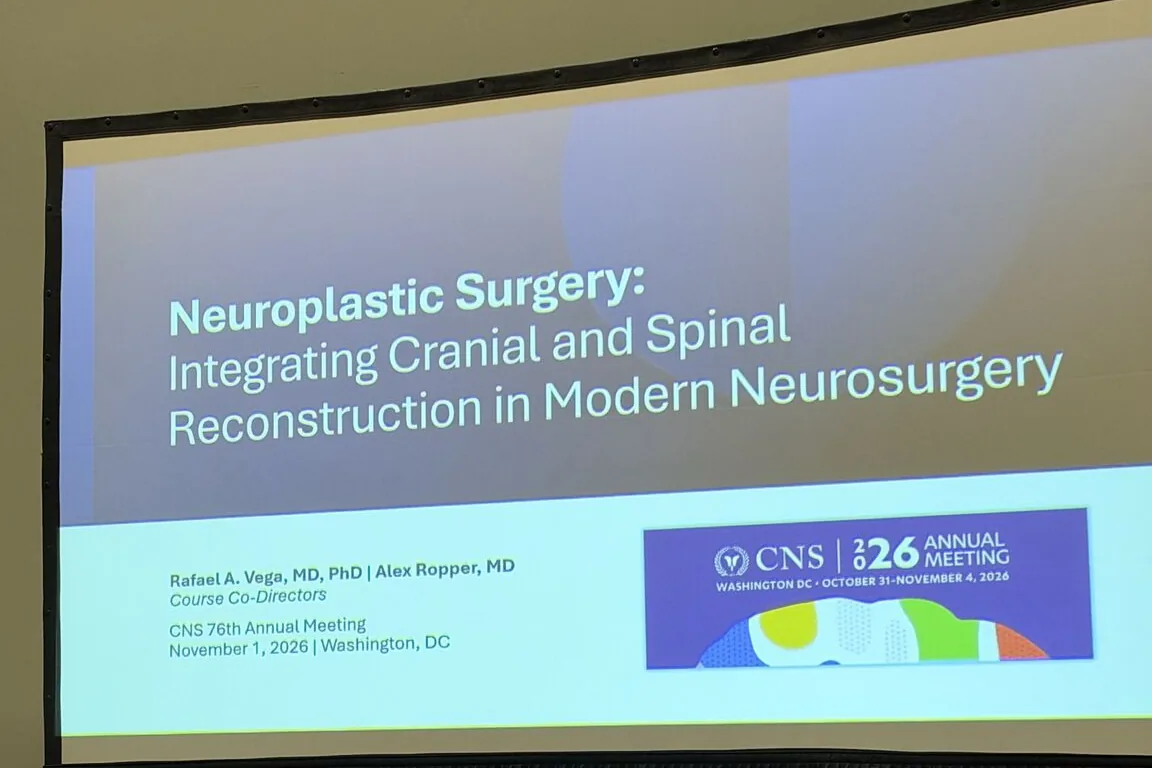
The Operative Neurosurgery issue, the educational supplement, and the neuroplastic surgery symposium at the 2026 CNS Annual Meeting.
References
- Gordon CR, Huang J, Brem H. Neuroplastic surgery. J Craniofac Surg. 2018;29(1):4-5. PubMed ↗
- Gordon CR. The special field of neuroplastic surgery. J Craniofac Surg. 2021;32(1):3-7. PubMed ↗
- Ben-Shalom N. Neuroplastic and reconstructive surgery: defining a new discipline. Oper Neurosurg. 2026;31(3):397-398. PubMed ↗
- Gordon CR, Fisher M, Liauw J, et al. Multidisciplinary approach for improved outcomes in secondary cranial reconstruction: introducing the pericranial-onlay cranioplasty technique. Neurosurgery. 2014;10 Suppl 2:179-189. PubMed ↗
- Huq S, Khalafallah AM, Brem H, Huang J, Gordon CR, Mukherjee D. Introducing medical students to the burgeoning field of neuroplastic surgery. J Craniofac Surg. Special editorial.
- Northwell Health. First NYS neuroplastic surgery program launched at Lenox Hill. February 9, 2023. northwell.edu ↗
- Somorin TJ, Ferreira MY, Bahadir S, et al. The art and science of neuroplastic and reconstructive surgery. J Craniofac Surg. 2026;37(9):e930-e950. PubMed ↗